Why Exercise Alone Doesn’t Lead to Weight Loss (and What Matters More)
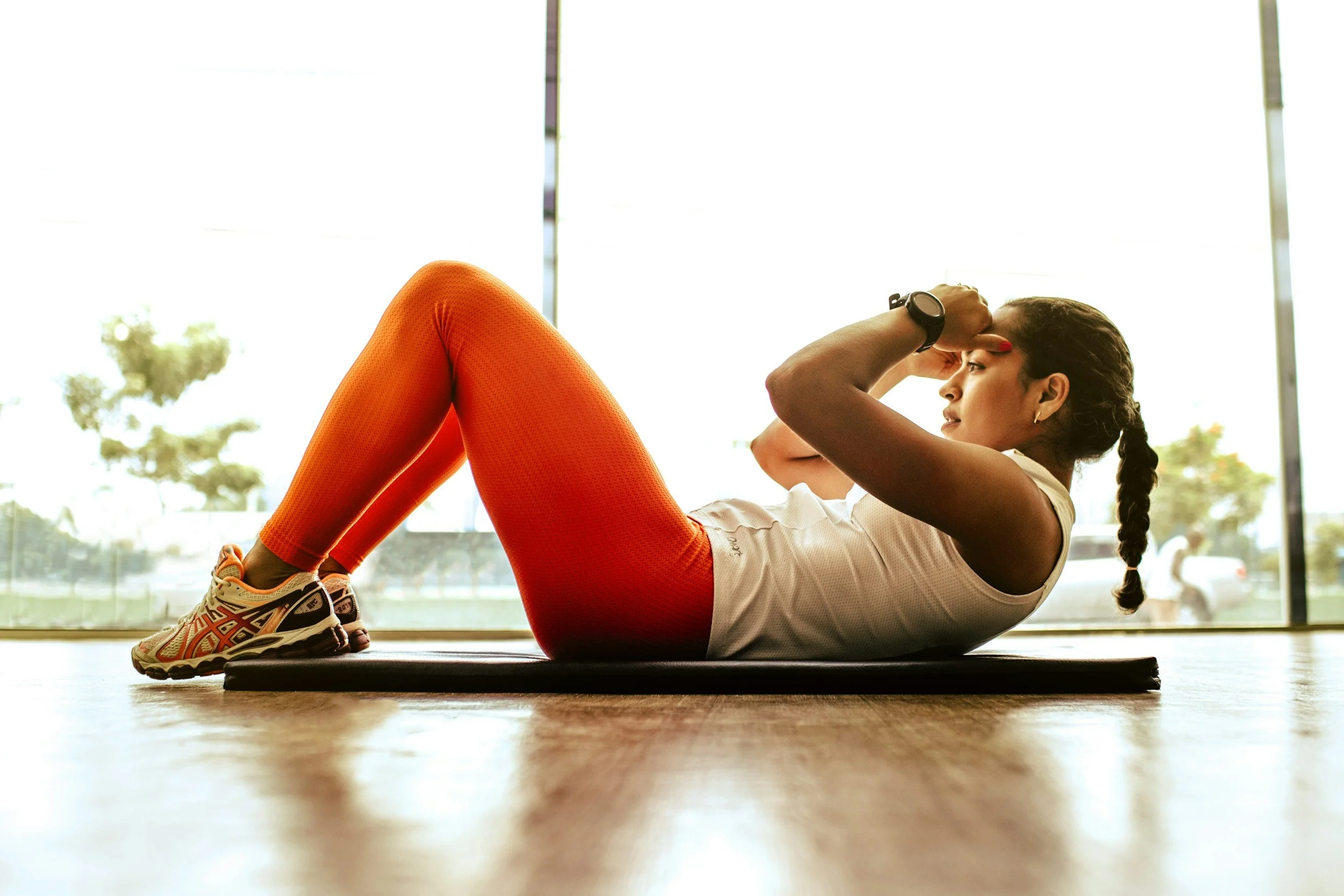
A physician’s perspective on weight loss, strength, and long-term health for women
For many women, especially in midlife, weight changes can feel frustrating — even when they are exercising regularly.
As a primary care physician in Walnut Creek, I often hear this question:
“Why am I exercising, but not losing weight?”
This is something I’ve experienced personally as well.
Personal Story
For a long time, I believed that exercise was the key to weight loss.
But my relationship with physical activity has never been simple.
Growing up, I avoided physical education classes whenever I could. I didn’t play sports and often felt like I just wasn’t “good at exercise.” That experience stayed with me into adulthood and shaped how I viewed physical activity for many years.
When I did exercise, it was usually with one goal in mind: to lose weight.
And like many people, I expected results quickly. But that’s not what happened.
The scale didn’t change much, and instead, I often felt hungrier. It was frustrating and discouraging.
Why exercise alone is not enough for weight loss
Over time — both through my own experience and my work in primary care and women’s health — my perspective began to shift.
Weight loss depends primarily on creating a caloric deficit, which is more directly influenced by nutrition.
Exercise plays a different, but still very important role.
The real benefits of exercise
Instead of focusing only on weight loss, I began to see exercise as something that supports:
muscle mass and strength
metabolic health
bone density
mood and mental well-being
better sleep
long-term independence
These benefits are especially important for women in their 30s, 40s, and beyond.
A shift in mindset
Instead of asking, “Is this helping me lose weight?” I started asking:
How do I feel after I move my body?
Am I getting stronger?
Is my energy improving?
Am I sleeping better?
That shift changed everything.
Now, I exercise for how it makes me feel — stronger, more capable, and more energized.
A more effective approach to weight loss
For women trying to lose weight, a more effective approach includes:
balanced nutrition
adequate protein intake
strength training
consistency over time
Exercise supports weight loss, but it is not the primary driver.
Looking for a Primary Care in Walnut Creek?
In my practice, I focus on comprehensive primary care for women, including:
weight management
perimenopause and menopause care
preventive health
chronic condition management
I take a personalized approach, with time to discuss nutrition, exercise, and long-term health goals.