Looking for a New Primary Care Doctor in Walnut Creek? Here's What to Consider

Finding a primary care doctor shouldn't be complicated. Yet for many people, especially women navigating their 40s and 50s, finding a physician who listens, understands their concerns, and has time to address the bigger picture can be surprisingly difficult.
Maybe your longtime physician retired. Perhaps you've moved to a new area or changed insurance plans. Or you may feel that your current appointments are too rushed, leaving important questions unanswered.
Whatever the reason, choosing a new primary care physician is an important decision. The right doctor can do much more than treat you when you're sick. They can help you stay healthy, understand your personal risk factors, and navigate changes in your health over time.
Here are a few things to consider when looking for a primary care doctor in Walnut Creek or the surrounding East Bay communities.
1. Look for a Physician Who Provides Comprehensive Care
Primary care should address your overall health, not just individual symptoms.
A family medicine or internal medicine physician can help with a broad range of concerns, including:
Preventive care and recommended health screenings
Blood pressure, cholesterol, and cardiovascular risk
Diabetes, prediabetes, and metabolic health
Weight management and lifestyle changes
Anxiety, depression, and sleep concerns
Acute illnesses and common medical problems
Coordination of care with specialists
For women in midlife, primary care may also include conversations about perimenopause, menopause, bone health, and changes in cardiovascular and metabolic risk.
While specialists play an essential role, having one physician who understands your overall health history can make medical care more coordinated and less fragmented.
2. Consider Whether Your Doctor Has Time to Listen
One of the most common frustrations patients describe is feeling rushed during medical appointments.
A short appointment may be enough for a straightforward concern. But discussing several symptoms, reviewing medications, understanding family history, or making decisions about long-term health often requires more time.
When evaluating a new primary care practice, consider asking:
How long are typical appointments?
Can I discuss more than one concern during a visit?
Will I usually see the same physician?
How are questions handled between appointments?
A good physician-patient relationship depends on communication, trust, and shared decision-making. Feeling comfortable asking questions is just as important as receiving clear medical recommendations.
3. If You're in Your 40s or 50s, Look for Someone Who Understands Midlife Health
Midlife brings changes that don't always fit neatly into a single medical specialty.
Sleep difficulties, mood changes, weight gain, irregular menstrual cycles, and other symptoms may occur during the menopause transition. But not every symptom is caused by hormones.
Thyroid disorders, anemia, sleep apnea, medication effects, mental health conditions, and other medical concerns can sometimes cause overlapping symptoms.
A thoughtful primary care physician can evaluate these concerns in context rather than automatically attributing them to aging or menopause.
It's also a good time to review long-term health risks, including blood pressure, cholesterol, blood sugar, bone health, and family history.
For example, a history of gestational diabetes, preeclampsia, or polycystic ovary syndrome (PCOS) may influence future cardiometabolic risk and deserves consideration during preventive care.
The goal isn't simply to address today's symptoms. It's to understand your health now and help protect it in the years ahead.
4. Understand the Practice Model and Costs
Not all primary care practices operate the same way.
Traditional insurance-based primary care generally bills your health insurance for visits and covered services. Depending on your plan, you may have copays, deductibles, or other out-of-pocket costs.
Direct Primary Care (DPC) is a different model in which patients pay a recurring membership fee directly to the practice. Membership typically covers a defined range of primary care services, often with longer appointments and more direct access to the physician.
DPC is not health insurance. Patients generally still need health insurance or other appropriate coverage for hospitalizations, specialist visits, emergency care, and services outside their membership.
Neither model is automatically the right choice for everyone. What matters is understanding what's included, how much you'll pay, how easily you can reach your physician, and whether the practice fits your healthcare needs.
5. Ask These Five Questions Before Choosing Your Doctor
Whether you're searching for a female primary care physician in Walnut Creek or simply hoping to establish a better relationship with your healthcare provider, these questions can help you make an informed decision:
Will I see the same physician consistently? Continuity allows your doctor to develop a deeper understanding of your history, preferences, and health goals.
How does the practice handle preventive care? Ask whether your doctor takes time to review screenings, cardiovascular risk factors, and long-term health.
Can the physician address my specific concerns? If you're interested in menopause care, weight management, mental health, or chronic disease management, ask about the physician's experience in those areas.
How easy is it to communicate between appointments? Understand how messages, test results, prescription refills, and urgent concerns are handled.
Does the physician's approach feel right for me? Good medical care should be grounded in evidence while respecting your priorities and preferences.
You don't need a doctor who agrees with you about everything. You need someone who takes your concerns seriously, explains the reasoning behind recommendations, and works with you to make informed decisions.
Finding the Right Primary Care Doctor Is About More Than Convenience
Location, insurance, and appointment availability are practical considerations. But the quality of the physician-patient relationship can have a lasting effect on how you experience healthcare.
The right primary care physician should help you feel informed, supported, and confident that someone understands the bigger picture of your health.
Primary Care at Vialta DPC in Walnut Creek
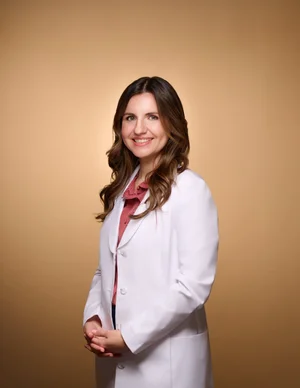
I'm Dr. Maryna Vityuk, a board-certified family medicine physician and founder of Vialta Direct Primary Care in Walnut Creek, California.
I created Vialta to offer a more personal approach to primary care, with time for thoughtful conversations, comprehensive evaluation, and ongoing relationships.
My practice provides primary care for adults, with a special interest in women's midlife health, menopause care, metabolic health, and prevention.
Vialta operates through a direct primary care membership model, with longer appointments and direct communication for established patients.
If you're exploring a new primary care doctor in Walnut Creek, Lafayette, Alamo, Pleasant Hill, or surrounding East Bay communities, you're welcome to learn more about Vialta and schedule a complimentary meet-and-greet to see whether the practice is a good fit.
Dr. Maryna Vityuk is a board-certified family medicine physician and founder of Vialta Direct Primary Care in Walnut Creek, California.