Non-Hormonal Options for Hot Flashes: What Women Should Know
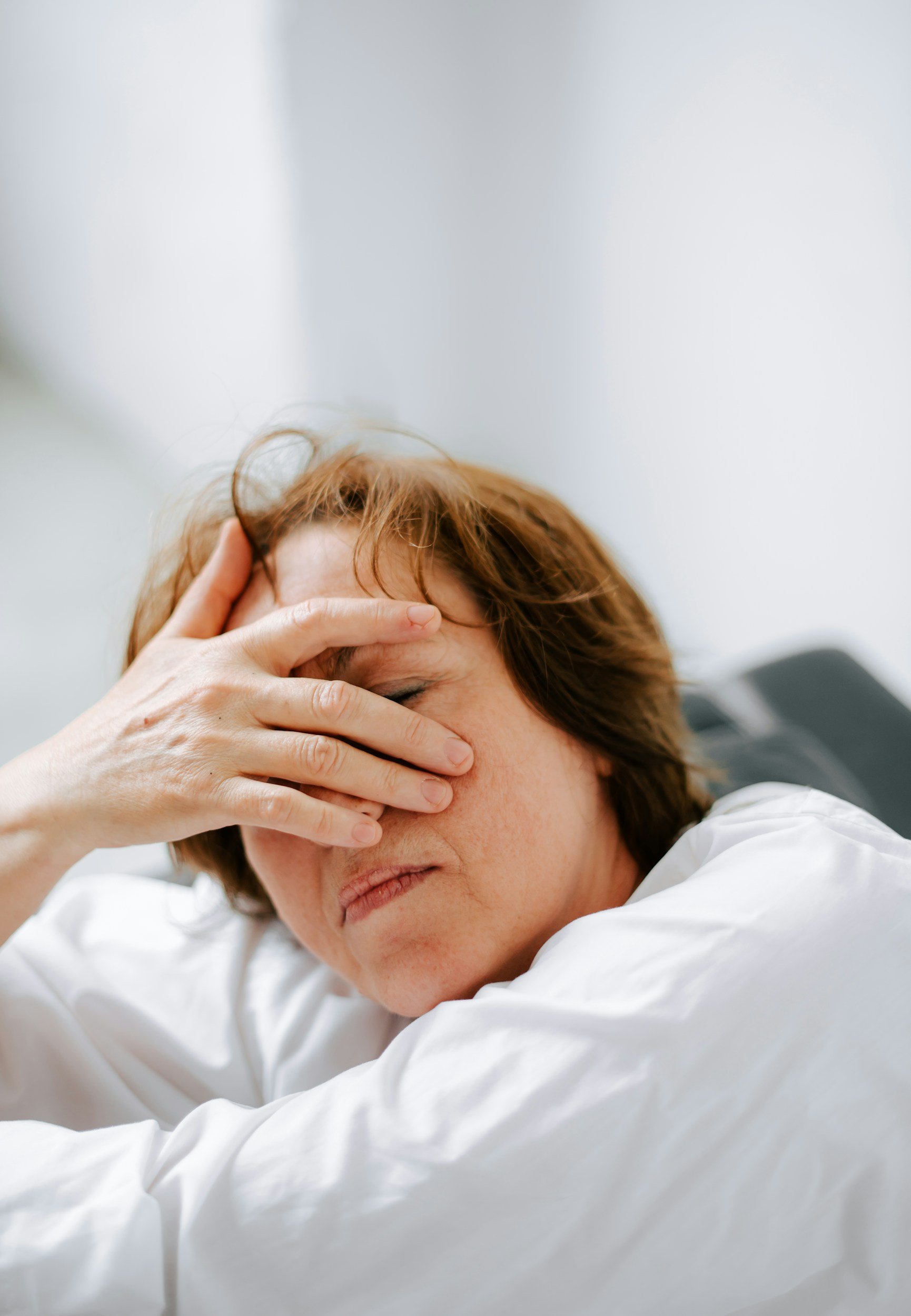
Hot flashes are one of the most common symptoms of perimenopause and menopause. For some women, they are mild and occasional. For others, they are intense, frequent, embarrassing, and sleep-disrupting.
And while hormone therapy is often the most effective treatment for hot flashes, it is not the right choice for everyone. Some women cannot use hormone therapy because of their medical history. Others prefer to start with non-hormonal options. The good news is that there are several evidence-based treatments that can help.
At Vialta Direct Primary Care in Walnut Creek, menopause care is personalized. That means looking at your symptoms, health history, risk factors, sleep, mood, medications, and goals before deciding on a treatment plan.
What causes hot flashes?
Hot flashes, also called vasomotor symptoms, are sudden episodes of heat, flushing, and sometimes sweating. They may last a few minutes and can happen during the day or at night. When they happen at night, they are often called night sweats.
During the menopause transition, estrogen levels fluctuate and eventually decline. This affects the body’s temperature regulation system in the brain, making it more sensitive to small changes in temperature. As a result, your body may react as if it is overheating, even when it is not.
Hot flashes can be more than a nuisance. They can affect sleep, concentration, mood, energy, intimacy, work, and quality of life.
When should you consider non-hormonal treatment?
Non-hormonal options may be a good fit if:
You prefer not to use hormone therapy.
You have a history of certain estrogen-sensitive cancers.
You have medical reasons why hormone therapy may not be recommended.
You are taking medications that interact with hormone therapy.
Your symptoms are bothersome but you want to start with a non-hormonal approach.
You are not sure whether hormone therapy is right for you and want to understand all your options.
Non-hormonal treatment does not mean “doing nothing.” Several options have good evidence and can meaningfully reduce hot flashes for many women.
Lifestyle changes that may help
Lifestyle changes may not fully eliminate hot flashes, especially if symptoms are moderate to severe. But they can reduce triggers and improve your overall symptom burden.
Common strategies include:
Keeping your bedroom cool.
Dressing in layers.
Using breathable sleepwear and bedding.
Avoiding known triggers such as alcohol, spicy foods, overheating, or hot beverages.
Limiting late-day caffeine if sleep is affected.
Maintaining a consistent sleep routine.
Working toward a healthy weight if weight is contributing to symptoms.
Some women notice clear patterns. Others do not. A symptom diary can help identify triggers and track whether a treatment is actually helping.
It is also important to know that many “natural” remedies marketed for menopause are not well regulated and may not have strong evidence. Supplements can also interact with prescription medications or affect the liver, so it is worth discussing them with your physician before starting.
Cognitive behavioral therapy and mind-body approaches
Cognitive behavioral therapy, or CBT, does not necessarily stop hot flashes from happening. But it can help reduce how disruptive they feel, especially when hot flashes are affecting sleep, anxiety, or quality of life.
CBT-based approaches may include sleep strategies, relaxation skills, reframing anxious thoughts, and practical tools for coping with symptoms. Clinical guidelines from The Menopause Society include CBT and clinical hypnosis among recommended non-hormonal options for vasomotor symptoms.
This does not mean hot flashes are “all in your head.” They are real physiologic symptoms. Mind-body strategies can simply be one useful part of a broader plan.
Prescription non-hormonal medications
SSRIs and SNRIs
Some antidepressant medications can reduce hot flashes, even in women who are not depressed. These include certain SSRIs and SNRIs.
Examples include:
Paroxetine
Escitalopram
Citalopram
Venlafaxine
Desvenlafaxine
These medications may be especially helpful when hot flashes occur along with mood symptoms, anxiety, irritability, or sleep disruption.
Side effects can include nausea, dry mouth, changes in sleep, sexual side effects, or changes in appetite. Some medications may interact with other prescriptions, including tamoxifen, so it is important to choose carefully.
Low-dose paroxetine mesylate is one FDA-approved non-hormonal medication for moderate to severe hot flashes. The Menopause Society also lists several other SSRIs and SNRIs as evidence-based options.
Gabapentin
Gabapentin is another non-hormonal medication that can help with hot flashes, particularly night sweats. It may be a good option for women whose symptoms are worse at night or whose sleep is significantly affected.
Possible side effects include sleepiness, dizziness, and grogginess. For some women, taking it at night can be helpful. For others, side effects limit its use.
Oxybutynin
Oxybutynin is a medication traditionally used for overactive bladder, but studies have shown it can also reduce hot flashes. It may be considered for some women, especially if urinary urgency is also present.
Side effects can include dry mouth, constipation, blurry vision, and cognitive concerns, especially in older adults or with long-term use. This is a medication that should be individualized carefully.
Fezolinetant
Fezolinetant, brand name Veozah, is a newer non-hormonal medication specifically approved for moderate to severe hot flashes due to menopause. It works differently from SSRIs, SNRIs, and gabapentin. Instead of affecting mood pathways, it targets neurokinin receptors involved in temperature regulation. The FDA approved it based on clinical trials in women with moderate to severe vasomotor symptoms.
Fezolinetant is not a hormone, which makes it an important option for some women. However, it requires liver blood testing. The FDA added a boxed warning about rare but serious liver injury, and current labeling recommends liver testing before starting, monthly for the first 3 months, and again at months 6 and 9.
Because of this, fezolinetant can be very helpful for the right patient, but it needs thoughtful prescribing and follow-up.
What about supplements?
Many women try supplements before talking with a doctor. Common examples include black cohosh, soy isoflavones, evening primrose oil, maca, and various “menopause support” blends.
The challenge is that supplement quality varies, dosing is inconsistent, and the evidence is often limited or mixed. Some supplements can also interact with medications or affect liver function.
This does not mean every supplement is harmful. But if your hot flashes are frequent, severe, or affecting sleep, it is worth having a medical conversation instead of spending months trying products that may not help.
The Menopause Society’s 2023 position statement does not recommend many commonly marketed supplements and lifestyle interventions as primary treatments when evidence does not support meaningful benefit.
How do you choose the right option?
The best treatment depends on the whole person, not just the symptom.
A good menopause visit should include questions such as:
How often are hot flashes happening?
Are they waking you from sleep?
Are you still having periods?
Are your periods heavy, irregular, or changing?
Do you also have mood changes, anxiety, brain fog, or vaginal symptoms?
Do you have a history of blood clots, stroke, heart disease, breast cancer, liver disease, or migraines?
What medications and supplements are you taking?
What are your preferences around hormone therapy versus non-hormonal treatment?
For some women, hormone therapy may still be the most appropriate and effective option. For others, a non-hormonal medication, CBT-based strategy, lifestyle adjustment, or combination approach may be a better fit.
When to see a doctor
You should consider medical evaluation if hot flashes are:
Frequent or severe
Disrupting sleep
Associated with unexplained weight loss, fever, palpitations, or other new symptoms
Occurring with very heavy or irregular bleeding
Affecting your mood, work, relationships, or quality of life
Not improving with basic lifestyle changes
Not every episode of sweating or flushing is due to menopause. Thyroid disease, infections, medication side effects, anxiety, and other medical conditions can sometimes mimic hot flashes. That is why a thoughtful evaluation matters.
The bottom line
Hot flashes are common, but that does not mean you have to simply tolerate them. Non-hormonal options can be helpful, especially when they are chosen based on your symptoms, medical history, and preferences.
Whether you are considering lifestyle changes, CBT, prescription non-hormonal medications, or hormone therapy, the goal is the same: helping you sleep better, feel better, and function better in your daily life.
At Vialta Direct Primary Care, I offer thoughtful, unhurried menopause care for women in Walnut Creek and the East Bay. Together, we can review your symptoms, discuss your options, and create a plan that fits your health and your life.