How to Optimize Your Sleep in Midlife
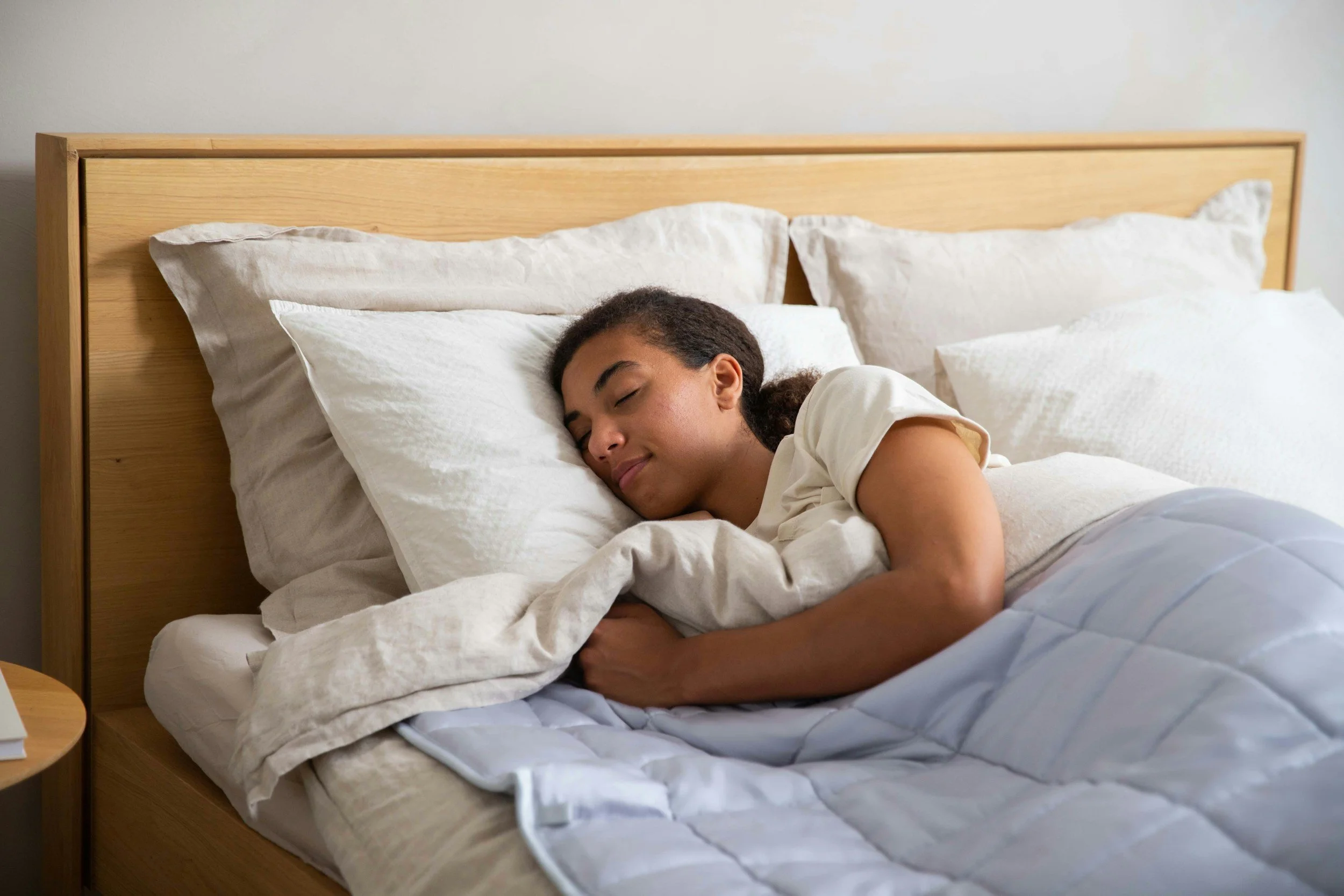
Sleep can become surprisingly complicated in midlife.
Maybe you used to fall asleep easily, and now you’re wide awake at 3 a.m. Maybe you wake up drenched from night sweats. Maybe your mind starts reviewing every unfinished task the moment your head hits the pillow. Or maybe you technically “slept,” but you wake up feeling like you barely rested.
If this sounds familiar, you are not alone. Sleep quality often changes during perimenopause and menopause, and it is not “just in your head.” Hormonal fluctuations, hot flashes, stress, mood changes, alcohol, caffeine, medications, sleep apnea, and busy midlife responsibilities can all affect sleep.
The good news: sleep can often improve with the right approach. And in midlife, optimizing sleep is not just about feeling less tired. It is part of protecting your metabolic health, mood, blood pressure, weight, memory, and long-term well-being.
Adults generally need at least 7 hours of sleep per night for optimal health, and chronic sleep deficiency is linked with higher risk of conditions such as high blood pressure, diabetes, obesity, depression, heart disease, and stroke.
Why Sleep Changes in Midlife
Midlife sleep problems are often multifactorial. That means there is rarely one single cause.
Common contributors include:
Hormonal changes
During perimenopause, estrogen and progesterone fluctuate. These hormonal shifts can affect temperature regulation, mood, and sleep architecture. Some women experience more nighttime awakenings, lighter sleep, or insomnia even before periods stop completely.
Night sweats and hot flashes
Vasomotor symptoms can repeatedly interrupt sleep. Even if you do not fully wake up, these episodes may fragment your sleep and leave you feeling less rested.
Stress and mental load
Midlife often comes with a lot: careers, parenting, aging parents, relationships, health changes, and decision fatigue. Your body may be exhausted, but your brain may still be “on.”
Alcohol
Alcohol may make you sleepy initially, but it often worsens sleep quality later in the night. Many women notice more 2–3 a.m. awakenings, night sweats, or restless sleep after even one glass of wine.
Caffeine sensitivity
Caffeine metabolism can vary from person to person, and many women become more sensitive to it with age. Afternoon caffeine may interfere with sleep even if it never used to.
Sleep apnea
Sleep apnea is underdiagnosed in women, especially in midlife. It does not always look like loud snoring. Some women present with insomnia, fatigue, morning headaches, frequent nighttime urination, mood changes, or waking up unrefreshed.
Start With the Foundation: A Consistent Wake Time
If you want to improve your sleep, start with your wake time.
A consistent wake time helps anchor your circadian rhythm — your body’s internal clock. This is often more effective than focusing only on bedtime.
Try to wake up around the same time most days, including weekends. You do not have to be perfect, but large swings in wake time can make sleep more irregular.
Once your wake time is steady, your body has a better chance of building natural sleepiness at the right time in the evening.
Get Morning Light
Morning light is one of the most powerful signals for your circadian rhythm.
Within the first hour of waking, try to get outside for natural light. Even 5–10 minutes can help. If it is cloudy, outdoor light is still usually stronger than indoor light.
Morning light can help your body understand: “This is daytime.” That makes it easier for your body to produce melatonin at the right time later in the evening.
A simple habit: step outside with your coffee, walk the dog, or take a short morning walk.
Be Strategic With Caffeine
Caffeine is not bad. But timing matters.
For many people, caffeine too late in the day can make it harder to fall asleep or stay asleep. The American Academy of Sleep Medicine recommends avoiding caffeine in the afternoon and evening.
A practical rule: try stopping caffeine by late morning or early afternoon.
If you are struggling with insomnia, consider a 2-week experiment:
Keep your morning coffee.
Avoid caffeine after 12 p.m.
Watch what happens to sleep quality, nighttime awakenings, and anxiety.
Also remember that caffeine is not only in coffee. It can be in tea, matcha, energy drinks, pre-workout supplements, chocolate, and some medications.
Reconsider Alcohol as a Sleep Disruptor
Many women use a glass of wine to unwind. I understand why — midlife is full, and evenings may feel like the only quiet time of the day.
But alcohol is one of the most common sleep disruptors.
It can worsen night sweats, increase nighttime awakenings, reduce sleep quality, and make you feel less restored the next day. If you regularly wake up around 2 or 3 a.m., alcohol may be part of the pattern.
You do not necessarily have to eliminate it forever. But if sleep is a major issue, try a 2–3 week alcohol-free experiment and see how your body responds.
Create a Real Wind-Down Routine
Your brain needs a transition period.
You cannot go from emails, kids’ activities, charting, dishes, social media, and life logistics directly into deep sleep and expect your nervous system to cooperate.
Create a simple 30–60 minute wind-down routine. It does not need to be fancy.
Examples:
Dim the lights.
Put your phone away or use nighttime settings.
Take a warm shower.
Stretch gently.
Read something calming.
Journal a short “brain dump.”
Prepare tomorrow’s to-do list earlier in the evening.
Try slow breathing or a short meditation.
The goal is to send your body a repeated signal: we are safe, the day is ending, and it is time to rest.
Keep Your Bedroom Cool, Dark, and Quiet
Your sleep environment matters.
A cooler room often helps because your body temperature naturally drops as you fall asleep. This can be especially helpful for women with night sweats or hot flashes.
Try:
Lightweight, breathable pajamas.
Layered bedding.
A fan or cooling mattress pad.
Blackout curtains.
A sleep mask.
Earplugs or white noise if needed.
Light exposure at night can interfere with your body’s natural sleep signals. Keeping the bedroom dark and reducing evening light exposure can support better sleep.
Don’t Spend Hours Awake in Bed
This is a big one.
If you cannot fall asleep after about 20–30 minutes, or you wake up and feel wide awake, try getting out of bed and doing something quiet and boring in low light.
Read a paper book. Sit in a chair. Listen to something calm.
Avoid bright screens, work tasks, online shopping, or checking the time repeatedly.
Then return to bed when you feel sleepy again.
This helps your brain reassociate the bed with sleep — not frustration, worry, or staring at the ceiling.
Exercise Helps — But Timing Matters
Regular physical activity supports better sleep, mood, insulin sensitivity, and weight maintenance. Strength training is especially important in midlife for muscle, bone, and metabolic health.
But very intense workouts too close to bedtime may make it harder for some people to fall asleep. If evening exercise affects your sleep, experiment with moving harder workouts earlier in the day.
Gentle evening movement is often fine: walking, stretching, yoga, or mobility work.
Watch for Blood Sugar and Late-Night Eating Patterns
Large, heavy meals close to bedtime may worsen reflux, discomfort, and sleep quality. On the other hand, going to bed very hungry can also disrupt sleep.
A practical approach:
Aim for a balanced dinner with protein, fiber, and healthy fats.
Avoid large heavy meals right before bed.
Limit spicy or reflux-triggering foods at night if you are prone to heartburn.
If needed, choose a small protein-containing snack rather than a sugary bedtime snack.
Sleep and metabolic health are closely connected. NIH-funded research has shown that chronic insufficient sleep can increase insulin resistance in women, with more pronounced effects in postmenopausal women.
Treat Night Sweats and Hot Flashes if They Are Disrupting Sleep
You do not have to “just live with it.”
If night sweats are waking you up repeatedly, it is worth discussing treatment options. These may include lifestyle changes, hormone therapy for appropriate candidates, and non-hormonal medications.
Hormone therapy is not for everyone, but for many healthy women within the appropriate window, it can be an effective treatment for bothersome hot flashes and night sweats. The right choice depends on your symptoms, medical history, risk factors, preferences, and goals.
There are also evidence-based non-hormonal options for vasomotor symptoms, including certain prescription medications and behavioral approaches.
Consider CBT-I for Insomnia
CBT-I stands for Cognitive Behavioral Therapy for Insomnia. It is one of the most effective treatments for chronic insomnia.
It is not just “sleep hygiene.” CBT-I is a structured, evidence-based approach that helps retrain sleep patterns, reduce anxiety around sleep, and improve sleep efficiency.
Research supports CBT-I for menopausal insomnia, and The Menopause Society has highlighted cognitive behavioral therapy as a promising option for menopausal insomnia and hot flash interference.
CBT-I can be done with a trained therapist, through digital programs, or sometimes with structured self-guided tools.
Be Careful With Sleep Supplements
Many people reach for melatonin, magnesium, CBD, antihistamines, or “sleep gummies.”
Some supplements may be helpful for certain people, but they are not always benign, and they do not fix the underlying cause of poor sleep.
A few important notes:
Melatonin is more useful for circadian rhythm timing than for general insomnia.
“Natural” does not always mean safe or effective.
Antihistamine sleep aids can cause next-day grogginess and may not be ideal long-term.
Supplements can interact with medications or medical conditions.
Products are not always tested with the same rigor as prescription medications.
If you are using sleep aids regularly, it is worth talking with your physician.
When to Talk to a Doctor About Sleep
You should consider a medical evaluation if you have:
Loud snoring or witnessed pauses in breathing
Waking up gasping or choking
Morning headaches
Frequent nighttime urination
Restless legs or uncomfortable leg sensations at night
Severe daytime sleepiness
Trouble staying awake while driving
Insomnia lasting more than 3 months
Night sweats that are frequent, drenching, or new
Mood changes, anxiety, or depression affecting sleep
Sleep problems that started after a new medication
Waking unrefreshed despite enough time in bed
Sleep problems are common, but that does not mean they should be ignored.
A Simple Midlife Sleep Reset Plan
If you feel overwhelmed, start here for two weeks:
Wake up at the same time every day.
Get morning outdoor light.
Stop caffeine by noon.
Avoid alcohol close to bedtime.
Keep the bedroom cool and dark.
Create a 30-minute wind-down routine.
Get out of bed if you are wide awake.
Move your body most days.
Address night sweats, anxiety, reflux, pain, or sleep apnea if present.
Talk to your doctor if sleep is not improving.
You do not need a perfect sleep routine. You need a realistic one that fits your actual life.
Final Thoughts
Sleep in midlife is not just about discipline. It is biology, hormones, stress, habits, environment, and sometimes medical conditions.
If you are struggling with sleep during perimenopause or menopause, you deserve more than “try melatonin” or “just relax.”
A thoughtful approach looks at the full picture: your symptoms, cycle changes, hot flashes, mood, metabolism, medications, lifestyle, and health risks.
Better sleep is possible — and it is one of the most powerful ways to support your health in midlife.