Hormone Therapy in Menopause: Who It Helps — and Who It Doesn’t
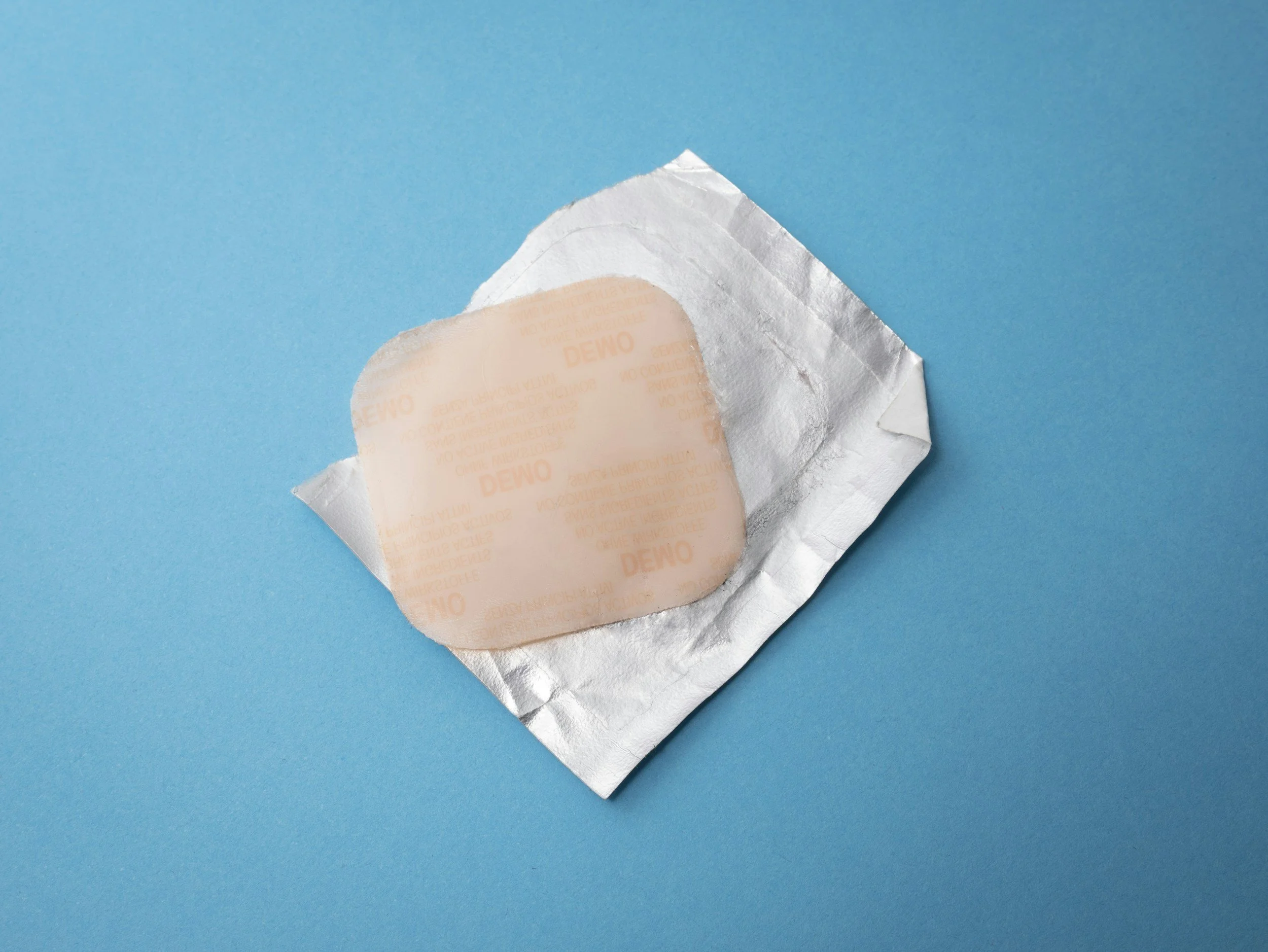
Hormone therapy is one of the most discussed — and often misunderstood — topics in women’s health.
If you’ve been searching for a menopause doctor in Walnut Creek, you’ve likely seen very mixed messages:
Some sources say hormone therapy is unsafe
Others present it as a solution for everything
The truth is more nuanced.
Hormone therapy can be very helpful for the right person — but it’s not for everyone, and it’s not a cure-all.
What Is Hormone Therapy?
Hormone therapy (also called menopausal hormone therapy or HRT) typically includes:
Estrogen (to treat symptoms)
Progesterone (if you have a uterus)
It is used to treat symptoms related to declining estrogen levels during perimenopause and menopause.
What Symptoms Does Hormone Therapy Help?
Hormone therapy is most effective for:
Hot flashes
Night sweats
Sleep disruption
Vaginal dryness or discomfort
Pain with intercourse
Urinary urgency or recurrent UTIs
These symptoms are directly related to hormonal changes — which is why treatment can be very effective.
Who Is a Good Candidate for Hormone Therapy?
According to current evidence, hormone therapy is generally safest for women who:
Are under age 60
Are within 10 years of menopause
Have moderate to severe symptoms
Do not have major contraindications
In this group, the benefits often outweigh the risks.
If you’re looking for menopause care in Walnut Creek, this is usually the starting point for a personalized discussion.
What Hormone Therapy Does NOT Do
This is where expectations matter.
Hormone therapy is not a treatment for:
Weight loss
Low energy alone
General aging or “optimization”
Chronic fatigue without clear menopausal symptoms
It may improve sleep and quality of life, but it should not be presented as a fix for everything.
Who Should Avoid Hormone Therapy?
Hormone therapy may not be appropriate if you have:
History of breast cancer
Prior blood clots (DVT or PE)
Stroke or certain cardiovascular conditions
Unexplained vaginal bleeding
There are also situations where treatment can still be considered carefully — this is where individualized care matters.
Are There Non-Hormonal Options?
Yes — and this is an important part of menopause care.
Options may include:
Non-hormonal medications for hot flashes
Vaginal estrogen (local, low-dose therapy)
Sleep optimization
Nutrition and exercise strategies
Not every woman needs hormone therapy.
Why Many Women Feel Confused About Hormone Therapy
A lot of confusion comes from how these decisions are often made:
Short appointments
Limited discussion of risks and benefits
No follow-up or adjustment
Hormone therapy is not a one-time decision — it requires ongoing evaluation.
A More Thoughtful Approach to Menopause Care
If you’re searching for a menopause doctor in Walnut Creek, what you likely need is not just a prescription — but a conversation.
A good approach includes:
Understanding your symptoms
Reviewing your personal risk factors
Discussing both hormonal and non-hormonal options
Adjusting treatment over time
The Bottom Line
Hormone therapy is a tool.
For some women, it can be life-changing.
For others, it may not be necessary — or appropriate.
The goal is simple:
help you feel better, safely and thoughtfully.
Menopause Care in Walnut Creek — Vialta Direct Primary Care
At Vialta Direct Primary Care, I provide personalized menopause and primary care for women in Walnut Creek and surrounding areas.
Care is designed to be:
Unhurried
Evidence-based
Focused on the whole picture — not just hormones
Practice opening: June 2026
Meet & Greet visits begin: late May
If you’re looking for a menopause doctor in Walnut Creek, you can join the waitlist to learn more.