Preventive Care in Your 40s and 50s: What Women Shouldn’t Ignore
If you are in your 40s or 50s, this is often the stage of life when preventive care starts to matter in a different way.
Not because something is suddenly wrong.
But because this is when health changes can start showing up quietly.
Weight may shift. Sleep may get worse. Periods may become less predictable. Energy may change. You may feel “off” without being able to point to one clear reason.
And because life is usually full at this stage, it is easy to keep putting your own health on the back burner.
I see this often.
Women in midlife are managing work, family, aging parents, stress, and everyone else’s needs. They mean to make the appointment, schedule the mammogram, get the labs done, or bring up that symptom they have been noticing.
Then a few years go by.
That is exactly why preventive care matters in your 40s and 50s.
Not in an alarmist way. In a practical way.
Good preventive care is about staying on top of the screenings, health checks, and conversations that help catch problems early and keep small issues from becoming bigger ones.
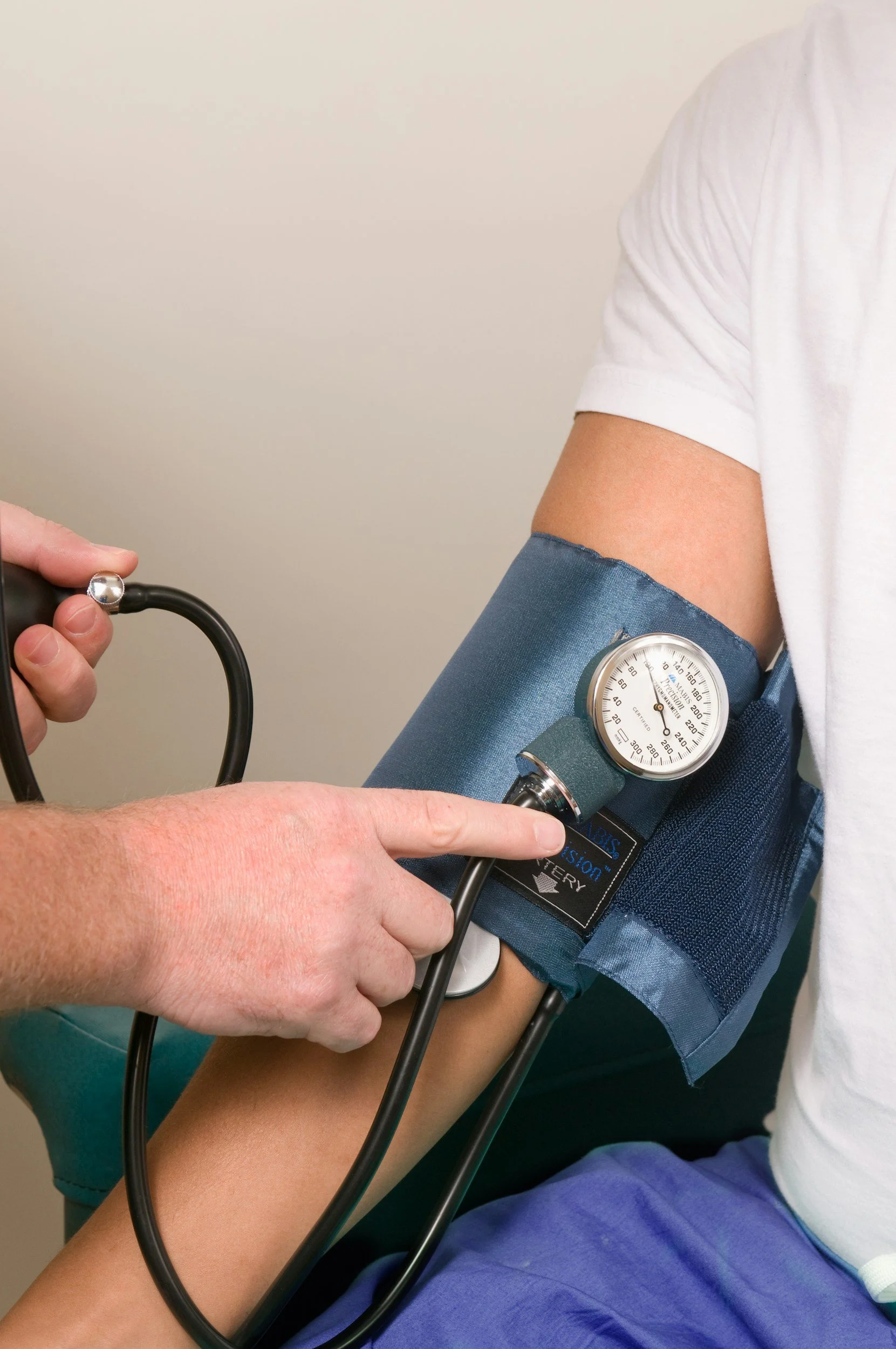
Blood pressure: easy to miss, important to check
High blood pressure often causes no symptoms at all.
You can feel completely fine and still have readings that are too high.
That is one reason it gets missed so often. In midlife, when cardiovascular risk starts to shift, it is worth checking regularly and not assuming that feeling okay means everything is okay.
Cholesterol: one of the easiest things to ignore
Cholesterol does not usually make you feel any different.
It can slowly change over time without obvious warning signs.
In your 40s and 50s, this becomes more relevant because metabolism, activity level, sleep, weight, blood sugar, and family history all start to play a bigger role in long-term heart health.
Even if you feel well, routine screening still matters.
Blood sugar: changes can happen quietly
Prediabetes and type 2 diabetes often develop gradually.
Many women are surprised when blood sugar starts to change, especially if they have been focused on everything else and not thinking about their own health.
This is one of those areas where catching it early really matters. It gives you more time and more options to make meaningful changes before it turns into a bigger problem.
Cervical cancer screening: easy to lose track of
A lot of women are not sure whether they still need Pap smears, especially if they have had normal results for years.
This is very common.
Screening usually starts at age 21. From ages 21 to 29, Pap testing is generally done every 3 years. From ages 30 to 65, screening may be done with Pap testing, HPV testing, or both, depending on your history and the plan you and your doctor choose.
If you are not sure whether you are due, it is worth checking.
Mammograms: many women are still behind
Breast cancer screening is one of the most common things women mean to do and keep postponing.
Sometimes it is because life is busy. Sometimes it is because there is no symptom, so it does not feel urgent.
For average-risk women, screening now starts at age 40.
A lot of women still think it starts later, so this is one of the most important things not to lose track of.
Colon cancer screening: now starts earlier than many people think
Colon cancer screening now starts at age 45 for most average-risk adults.
That still surprises a lot of people.
It is not the most glamorous topic, but it is an important one. And there are different ways to screen, not just colonoscopy. The right option depends on your history, your risk, and what you are most likely to actually complete.
The key is not to keep pushing it off.
Vaccines: adults are often overdue without realizing it
Vaccines are easy to forget about in adulthood.
Many people assume they are up to date and have not reviewed them in years.
In midlife, it is worth making sure you are current on flu, tetanus or Tdap, COVID, and shingles starting at age 50. Depending on your age and health history, pneumonia or RSV vaccines may also come up.
This is another area where a quick review can be helpful.
Preventive care should feel thoughtful, not rushed
Preventive care in your 40s and 50s is not just about checking boxes.
It is about stepping back and asking a few simple questions:
What am I due for?
What has changed?
What have I been ignoring because life has been busy?
What deserves a closer look now?
That kind of care is hard to do in a rushed visit.
At Vialta Direct Primary Care, I offer thoughtful, relationship-based primary care in Walnut Creek for women who want more time, more continuity, and a more personal approach to their health.
If you have been putting your own health off, this may be a good time to start paying attention again.
Opening in June in Walnut Creek
Meet-and-greets begin in late May