Top 5 Supplements I Recommend for Women in Midlife
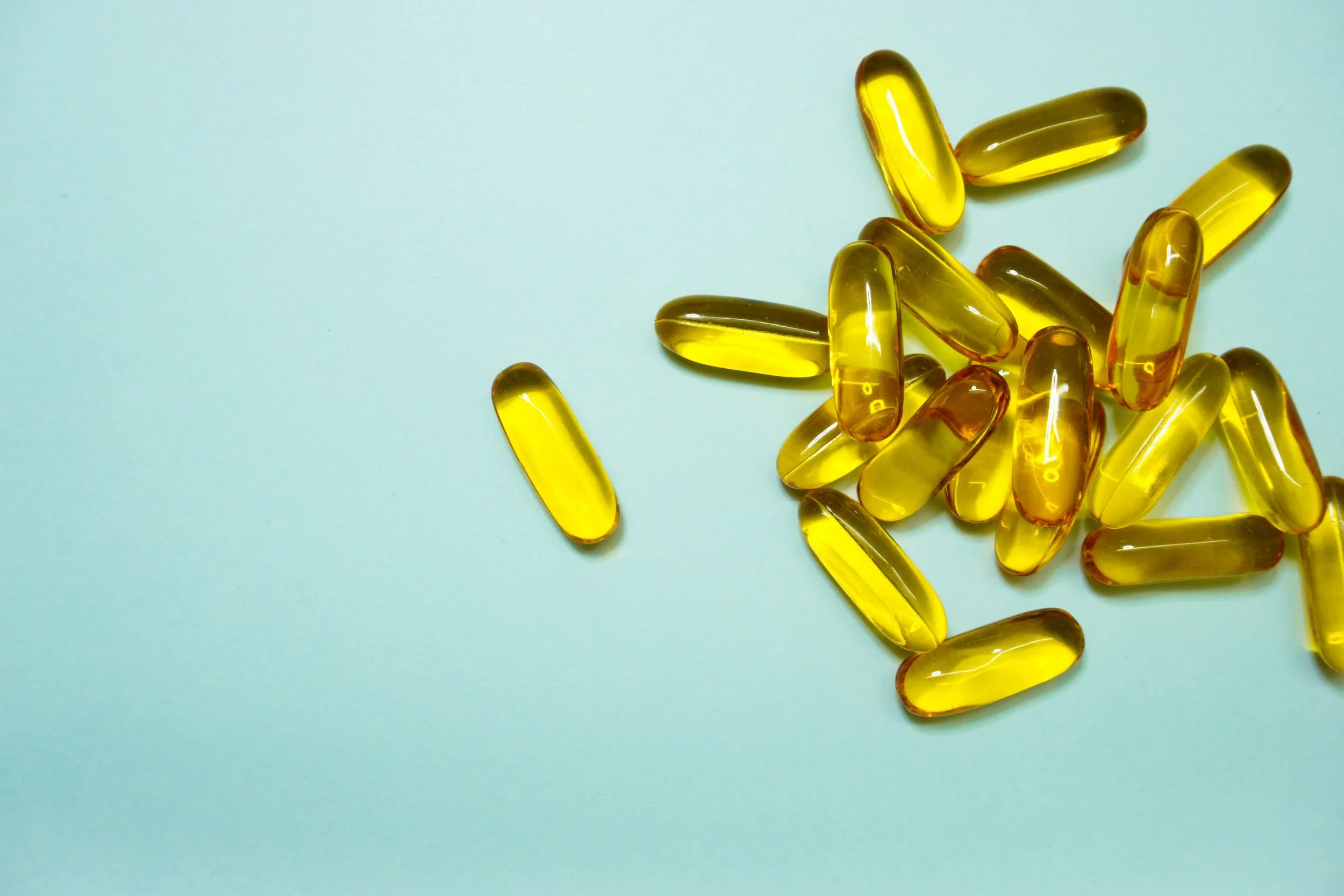
If you are a woman in midlife, you have probably seen endless advice about supplements.
One person says you need ten different products. Another says everything should be “natural.” And somewhere in the middle, it becomes hard to tell what is actually helpful.
My approach is much simpler.
I do not believe every woman needs a long list of supplements. I believe in using the right supplement, for the right reason, at the right dose. In my practice, these are five of the most common supplements I discuss with women in midlife: vitamin D, iron, calcium, omega-3, and fiber.
Why supplements matter in midlife
Midlife is often when women start paying closer attention to bone health, cholesterol, energy, digestion, and long-term prevention. It is also a time when changing hormones, diet patterns, heavy periods, sleep problems, and increased cardiometabolic risk can make certain nutrient gaps more noticeable.
That does not mean every symptom should be treated with a supplement. It does mean this is a good time to be more thoughtful about what your body may need.
1. Vitamin D for bone health in midlife
Vitamin D helps your body absorb calcium and supports bone health. This becomes more important in midlife, especially as women get closer to menopause and after menopause, when bone loss can accelerate.
Who may benefit from vitamin D?
Women who get little sun exposure, avoid dairy or fortified foods, or have low vitamin D levels on labs may be more likely to need supplementation. Because vitamin D needs can vary, it is worth looking at the full picture instead of taking very high doses automatically. The NIH notes that more is not always better, and excessively high intake can be harmful.
2. Iron for women in midlife — if needed
Iron is one of the most important supplements to get right because it is not something every woman should take automatically. Iron helps your body make hemoglobin, which carries oxygen in the blood.
Who may need iron?
Women with heavy periods, fatigue, low ferritin, or documented iron deficiency may benefit from iron supplementation. But I usually recommend confirming need with symptoms and labs first. Taking iron when you do not need it can cause side effects like constipation, nausea, and stomach upset, and it can be unsafe in some situations. The most practical message here is: iron can be very helpful, but it should be targeted.
3. Calcium for women over 40 and after menopause
Calcium is one of the key nutrients for bone strength. For women in midlife, it becomes part of the conversation because protecting bone density matters more as estrogen levels decline. The NIH Office of Dietary Supplements recommends 1,000 mg daily for women ages 19 to 50 and 1,200 mg daily for women 51 and older. That total includes both food and supplements.
Food first, supplements second
In general, I prefer women get as much calcium as they can from food first, then use a supplement only if intake falls short. Dairy foods, fortified plant milks, calcium-set tofu, and some leafy greens can all help contribute to the daily total. Supplements can be useful, but they should fill a gap, not replace a healthy diet. The NIH also notes that calcium intake above the upper limit can be harmful, especially at very high amounts.
4. Omega-3 for heart health in midlife
Omega-3s come up often in midlife because heart health becomes increasingly important with age. The American Heart Association recommends eating 2 servings of fish per week, especially fatty fish such as salmon, sardines, herring, and mackerel.
Do you need an omega-3 supplement?
Not always. If you eat fish regularly, you may already be getting enough omega-3s from food. If you rarely eat fish, a supplement may make sense, but the best dose depends on your diet, goals, and medical history. I generally think of omega-3 as part of a bigger heart-health discussion that also includes blood pressure, cholesterol, exercise, sleep, and nutrition. The strongest routine recommendation from the AHA is still fish intake, rather than a one-size-fits-all supplement dose for everyone.
5. Fiber: the most underrated supplement in midlife
Fiber may be the least glamorous supplement on this list, but it is one of the most useful. Adequate fiber can help support regular bowel movements, fullness, and cholesterol management. Mayo Clinic notes that the daily fiber goal for women is 25 grams per day for women age 50 or younger and 21 grams per day for women over 50.
Food sources matter — but supplements can help
Beans, lentils, vegetables, fruit, whole grains, chia, and flax are all great sources of fiber. But many women simply do not get enough. In those cases, a fiber supplement can be a practical way to close the gap. Just increase gradually and drink enough water, because adding too much fiber too quickly can cause bloating or gas.
How to know which supplements you actually need
This is the part that matters most: not every woman in midlife needs every supplement.
A good supplement plan depends on:
your symptoms
your diet
your lab work
your medications
your health conditions
your goals
For example, one woman may truly benefit from iron because of heavy menstrual bleeding and low ferritin. Another may need more focus on calcium, vitamin D, and protein for bone health. Another may need fiber far more than anything else.
A quick word of caution about supplements
Even when a supplement sounds simple, it still deserves a thoughtful approach. Supplements can cause side effects, interact with medications, and sometimes add unnecessary cost without much benefit. That is one reason I encourage women to bring all of their supplements to their visits — including vitamins, powders, gummies, herbal products, and over-the-counter blends.
Final thoughts on supplements for women in midlife
If you are a woman in your 40s or 50s trying to figure out which supplements actually matter, start here:
Vitamin D for bone support
Iron, but only if you need it
Calcium to help protect bone health
Omega-3 as part of heart-health support
Fiber for digestion, fullness, and cholesterol support
You do not need a cabinet full of products. You need a plan that makes sense for your body.
If you are taking several supplements and are not sure what is worth continuing, that is something we can review together.