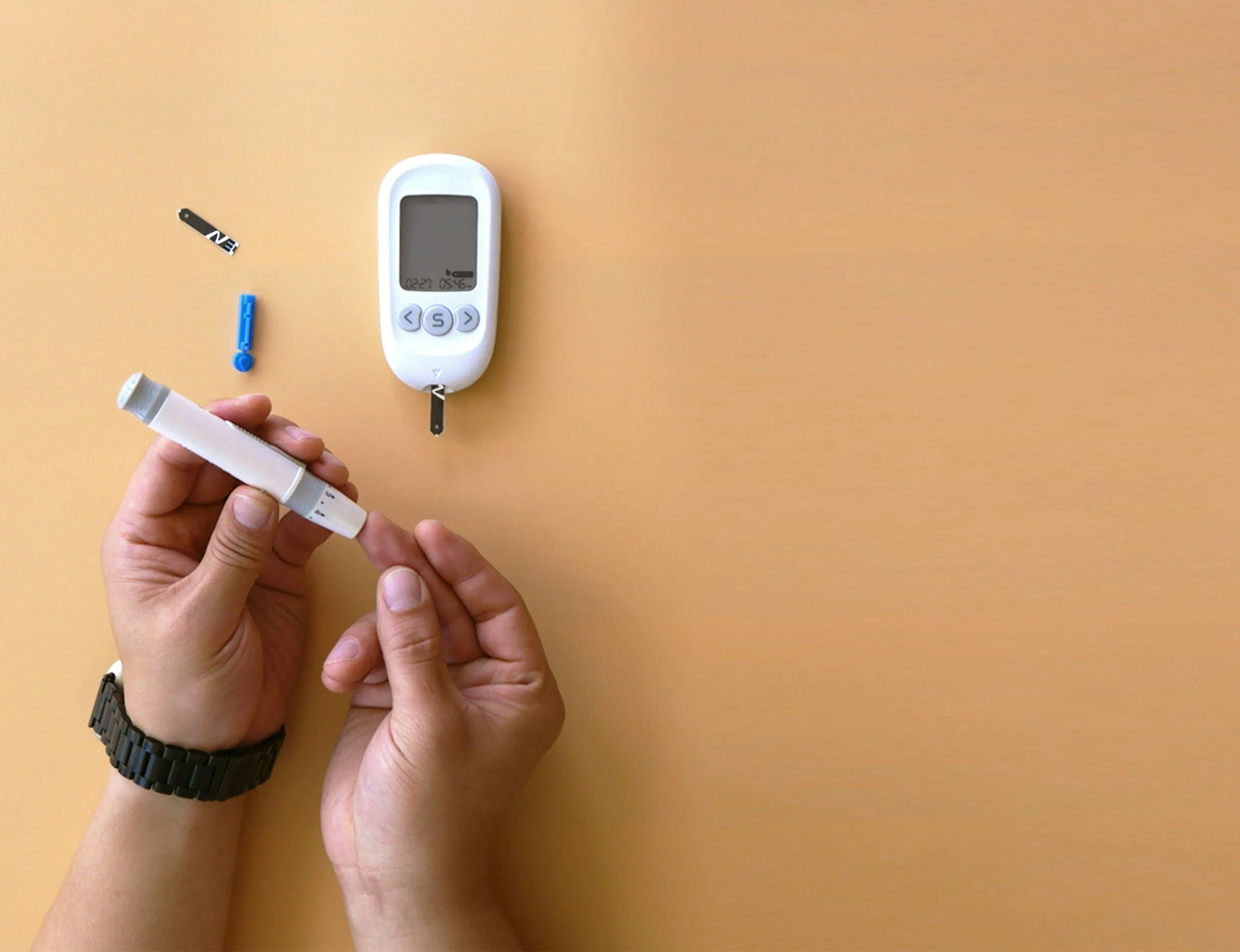
Prediabetes is common, quiet, and often reversible
More than 1 in 3 American adults has prediabetes, and most of them have no idea. There's usually nothing to feel: no thirst, no fatigue you'd connect to blood sugar, no warning sign. It shows up on a lab test, often years before type 2 diabetes would.
That's actually the good news. Prediabetes is one of the few points in medicine where you can see a problem coming and do something real about it. Here's what I want patients in Walnut Creek and the rest of the East Bay to know, especially women in their 40s and 50s.
What prediabetes means, and the numbers to know
Prediabetes means your blood sugar runs higher than normal, but not yet high enough to be called diabetes. Underneath it is usually insulin resistance: your body still makes insulin, but your cells respond to it less well, so it takes more insulin to keep glucose in check.
Two simple blood tests catch it:
Hemoglobin A1c (your average blood sugar over about 3 months)
Normal: below 5.7%
Prediabetes: 5.7% to 6.4%
Diabetes range: 6.5% or higher
Fasting blood sugar (after at least 8 hours without food)
Normal: below 100 mg/dL
Prediabetes: 100 to 125 mg/dL
Diabetes range: 126 mg/dL or higher
The A1c is the one I find most useful for most people, because it doesn't require fasting and reflects the past few months rather than a single morning. If yours is in the 5.7–6.4% range, that's not a diagnosis to panic about. It's information, and it gives you time.
Who should get tested
The American Diabetes Association recommends screening all adults starting at age 35, and earlier for anyone with risk factors. I'd suggest asking about an A1c if any of these apply to you:
You're 35 or older and haven't had it checked in the last few years
A parent or sibling has type 2 diabetes
You had gestational diabetes or a baby over 9 pounds
You have PCOS, high blood pressure, or high triglycerides
You carry extra weight, especially around your midsection
You're in perimenopause or past menopause
If your result is normal, repeating it every few years is usually enough. If it's in the prediabetes range, checking once a year makes sense so you can see whether things are moving in the right direction. This is something I check routinely as part of an annual physical.
Why midlife and menopause raise the risk for women
A lot of women tell me some version of the same thing: "I'm eating the way I always have, and my body is doing something completely different." They're not imagining it.
As estrogen declines through perimenopause and menopause, the body tends to become less sensitive to insulin. Fat distribution shifts toward the abdomen, and that deeper visceral fat is more metabolically active and more closely tied to insulin resistance than fat on the hips or thighs. At the same time, muscle mass gradually declines with age, and muscle is one of the main places your body clears glucose after a meal. Add the poor sleep that so often comes with this stage, and blood sugar can creep up even when the scale barely moves.
None of this means diabetes is inevitable. It means midlife is a good moment to check your numbers and adjust the plan to the body you have now, not the one you had at 30.
What actually lowers your risk
The strongest evidence comes from the Diabetes Prevention Program, a large study of adults with prediabetes. People who lost about 5–7% of their body weight and got roughly 150 minutes of activity a week cut their risk of developing type 2 diabetes by 58%. For someone at 180 pounds, that's 9 to 13 pounds, not a dramatic transformation.
What I usually focus on with patients:
Strength training. Two or three sessions a week builds and preserves muscle, which directly improves how your body handles glucose. For women in midlife, I think this is the most underrated piece.
Walking, especially after meals. A 10–15 minute walk after eating noticeably lowers the post-meal blood sugar rise. It's simple and it adds up.
Protein and fiber first. Building meals around protein, vegetables, beans, and whole grains steadies blood sugar and keeps you full longer. Eating the protein and vegetables on your plate before the starches helps too.
Sleep. Even a few nights of short sleep make the body more insulin resistant. If night sweats or 3 a.m. waking are part of your life right now, that's worth treating, not just tolerating.
Fewer sugary drinks and less alcohol. Both are easy places to make a real difference without overhauling everything else.
You don't need a perfect diet or a punishing workout plan. Consistency with a few of these matters far more.
When medication may help
Lifestyle changes come first, but they aren't the whole toolbox. For some people, especially those with an A1c near the top of the prediabetes range, a history of gestational diabetes, or significant weight to lose, medication can be a reasonable part of the plan.
Metformin has decades of safety data and lowered diabetes risk in the same prevention study. For patients who also meet criteria for obesity treatment, FDA-approved GLP-1 medications can help with weight loss and improve blood sugar at the same time. These are decisions to make with your doctor, based on your numbers, your history, and what you've already tried, not something to start because of a social media post.
Frequently asked questions
Can prediabetes be reversed?
Often, yes. Many people bring their A1c back into the normal range with modest weight loss, regular activity, and better sleep. Even when it doesn't fully normalize, slowing the progression matters.
What A1c level is considered prediabetes?
An A1c between 5.7% and 6.4% is in the prediabetes range. Below 5.7% is normal, and 6.5% or higher on repeat testing is consistent with diabetes.
Does menopause cause insulin resistance?
Menopause doesn't cause diabetes on its own, but falling estrogen, changes in where the body stores fat, and age-related muscle loss all make insulin resistance more likely during this stage.
Do I need to fast before an A1c test?
No. The A1c reflects your average blood sugar over about three months, so fasting isn't required. A fasting glucose test does require fasting.
How often should I get my blood sugar checked?
If your results are normal, every three years is a common starting point. With prediabetes or risk factors, yearly testing is usually recommended.
The bottom line
Prediabetes is common, it's silent, and it's very often something you can turn around. The first step is simply knowing your number. If you haven't had an A1c checked recently, ask about it at your next visit.
At Vialta Direct Primary Care in Walnut Creek, I see adults for longer, unhurried visits that leave time to look at the whole picture: labs, sleep, hormones, weight, and what's realistic for your life. If you'd like to talk about whether this kind of primary care is a good fit for you, you can schedule a Meet & Greet.
Dr. Maryna Vityuk is a family physician and Menopause Society Certified Practitioner.
This post is for general education and isn't a substitute for personal medical advice.
Sources: CDC, National Diabetes Statistics Report; American Diabetes Association, Standards of Care in Diabetes; Diabetes Prevention Program Research Group, New England Journal of Medicine, 2002.