"I've never been an anxious person. Why now?"
I hear some version of this sentence almost every week. A woman in her early or mid-40s, capable, used to handling a lot, tells me she suddenly feels on edge. Her heart races for no clear reason. She wakes at 3 a.m. with her mind running. Small things that never bothered her now feel overwhelming.
If that sounds familiar, you're not imagining it, and you're not losing your ability to cope. New or worsening anxiety is one of the most common symptoms of perimenopause, and it's one of the least talked about. Here's what's going on, what else to consider, and what actually helps.
The hormone connection
Perimenopause usually starts in the 40s, sometimes earlier, and can last several years before periods stop. During this time estrogen and progesterone don't just decline in a neat line. They swing up and down, sometimes dramatically, from month to month.
Those hormones do a lot more than regulate your cycle. Estrogen affects serotonin and other brain chemicals involved in mood. Progesterone has a calming effect through GABA, the same system many anti-anxiety medications act on. When both become unpredictable, the brain feels it.
This is also why women with a history of PMS, postpartum anxiety or depression, or earlier anxiety may notice symptoms come back or intensify in midlife. The hormonal sensitivity was there before. Perimenopause just turns up the volume.
It isn't always hormones
It would be easy to blame everything on perimenopause, and that's a mistake. Several medical issues can look a lot like anxiety, and they're worth checking for:
Thyroid problems, especially an overactive thyroid
Anemia or low iron, which is common with heavy perimenopausal periods
Heart rhythm changes that cause palpitations
Side effects from medications or supplements
More caffeine or alcohol than your body now tolerates
Then there's real life. Midlife often means teenagers, aging parents, demanding jobs, and very little time for yourself. Hormones and stress usually aren't either/or. They tend to stack on top of each other, which is why a good evaluation looks at the whole picture instead of jumping to one answer.
Why it's often worse at night
Sleep is frequently the first thing to change in perimenopause. Night sweats wake you up. Or you wake at 3 or 4 a.m. for no obvious reason and can't get back to sleep because your mind starts listing everything that could go wrong.
Poor sleep makes anxiety worse the next day, and anxiety makes it harder to sleep the next night. The cycle feeds itself. For many of my patients, getting sleep back on track is the single most useful place to start, because so much else improves once it does.
What actually helps
There's no single fix, but there are a lot of good options, and most women do best with a combination.
Therapy. Cognitive behavioral therapy (CBT) has strong evidence for anxiety, and there's CBT adapted specifically for menopausal symptoms like hot flashes and insomnia. A good therapist also gives you room to sort through what's hormonal and what's the very real weight of this stage of life.
Medication. SSRIs and SNRIs are effective for anxiety, and some also reduce hot flashes. They're a reasonable option, not a last resort.
Hormone therapy. For women whose anxiety comes with hot flashes, night sweats, and broken sleep, hormone therapy can help a lot, often by improving sleep and stabilizing those swings.
The basics, done realistically. Regular movement, especially strength training. Cutting back on alcohol, which worsens both sleep and anxiety even when it feels relaxing in the moment. Watching caffeine after noon. None of this is glamorous, but it adds up.
When to talk to someone
If anxiety is affecting your sleep, your relationships, your work, or simply how you feel most days, that's reason enough. You don't need to wait until it feels unbearable, and you don't need to be sure it's "hormonal" before bringing it up.
If you ever have chest pain, fainting, or thoughts of harming yourself, don't wait for a routine appointment. Call 911, or call or text 988 for the Suicide & Crisis Lifeline.
Want to go deeper?
And if you'd like to talk through what's going on for you, I'd be glad to meet. At Vialta Direct Primary Care in Walnut Creek, I see adults for primary care, with a particular focus on women in perimenopause and menopause. Visits are long enough to actually get into the details. A free meet and greet is an easy way to see if the practice is a good fit.
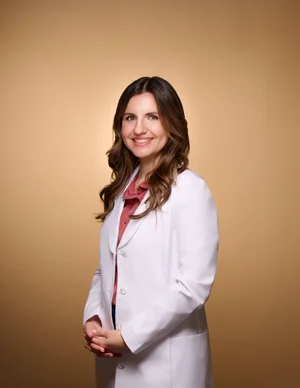
Dr. Maryna Vityuk is a family physician and Menopause Society Certified Practitioner.
This post is for general education and isn't a substitute for personal medical advice.